Special USA 250 Creative Contest
Liberty & Legacy: Muslim Americans Celebrate America’s 250th
MALA- Muslim American Leadership Alliance

America’s 250
National Creative Expression Contest
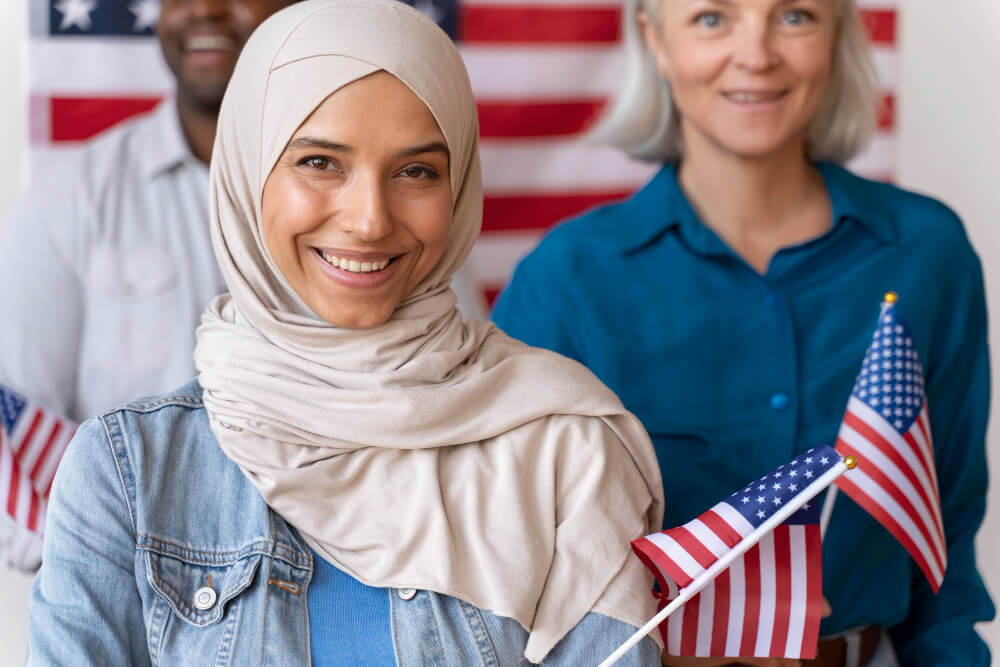
This national contest encourages writers, artists, filmmakers, photographers, and designers to explore themes of freedom, responsibility, belonging, and contribution through personal experience and creative expression. Participants are invited to share stories from their families, communities, and civic lives — stories of entrepreneurship, service, creativity, and civic participation that illustrate how Americans of Muslim heritage contribute to the broader American experience.
Transcending political debate, the contest seeks thoughtful reflections on opportunity, aspiration, and the responsibilities that come with freedom. Through essays, art, photography, film, and spoken word, participants will help document the diversity, creativity, and civic spirit shaping Muslim American life today. Submissions should reflect the ways individuals, families, and communities contribute to the civic life of the country.
Judging Criteria
Focused response to the creative prompt
Creativity and originality
Quality of storytelling or artistic expression
Constructive vision for contributing to society
Creative Prompts
- How have you and your family lived the American Dream? What opportunities in American society shaped your life, and how do you hope to shape America’s future?
- Describe an inspiring historic moment in Muslim American history or a lasting contribution to American society by someone of Muslim heritage.
- Spotlight a Muslim-American story that could only have happened in America. Explore how America’s freedoms made this story possible and the lessons it embodies.
- How has America been a unique haven for Muslims fleeing persecution? What makes America special for people who have experienced repression?
Muslim Americans are symbols of success and leadership.
Faisal Saeed Al Mutar
Faisal Saeed Al Mutar
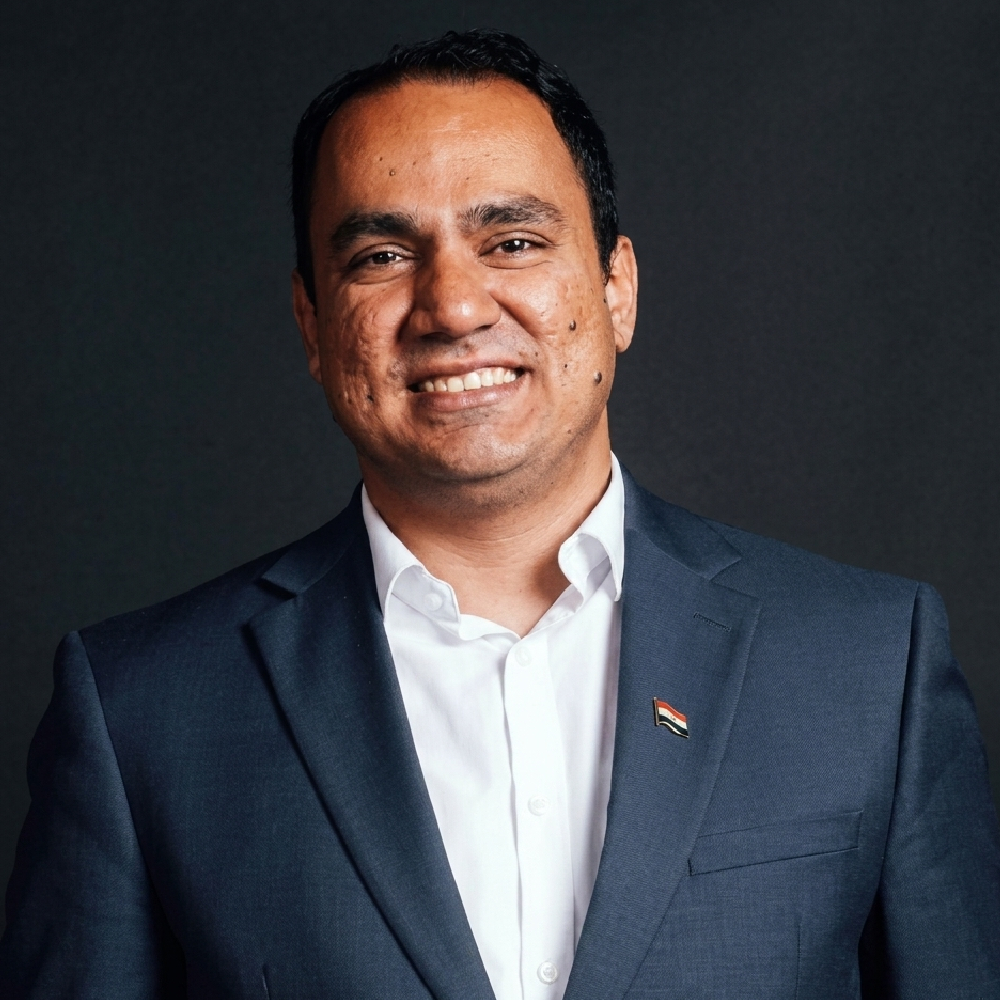
Faisal Saeed Al Mutar is a social entrepreneur and media leader focused on promoting free markets, critical thinking, and economic opportunity in the Middle East. As founder of Ideas Beyond Borders, he has expanded access to knowledge, supported entrepreneurship, and encouraged policy reforms, especially in Iraq.
He works with policymakers and institutions to develop solutions for economic growth, governance reform, and countering extremism. He also holds research roles at George Washington University Program on Extremism and University of Pittsburgh Center for Governance and Markets.
A frequent speaker, including at TED, he has received the President’s Volunteer Service Award from Barack Obama and an honorary doctorate from Whittier College.
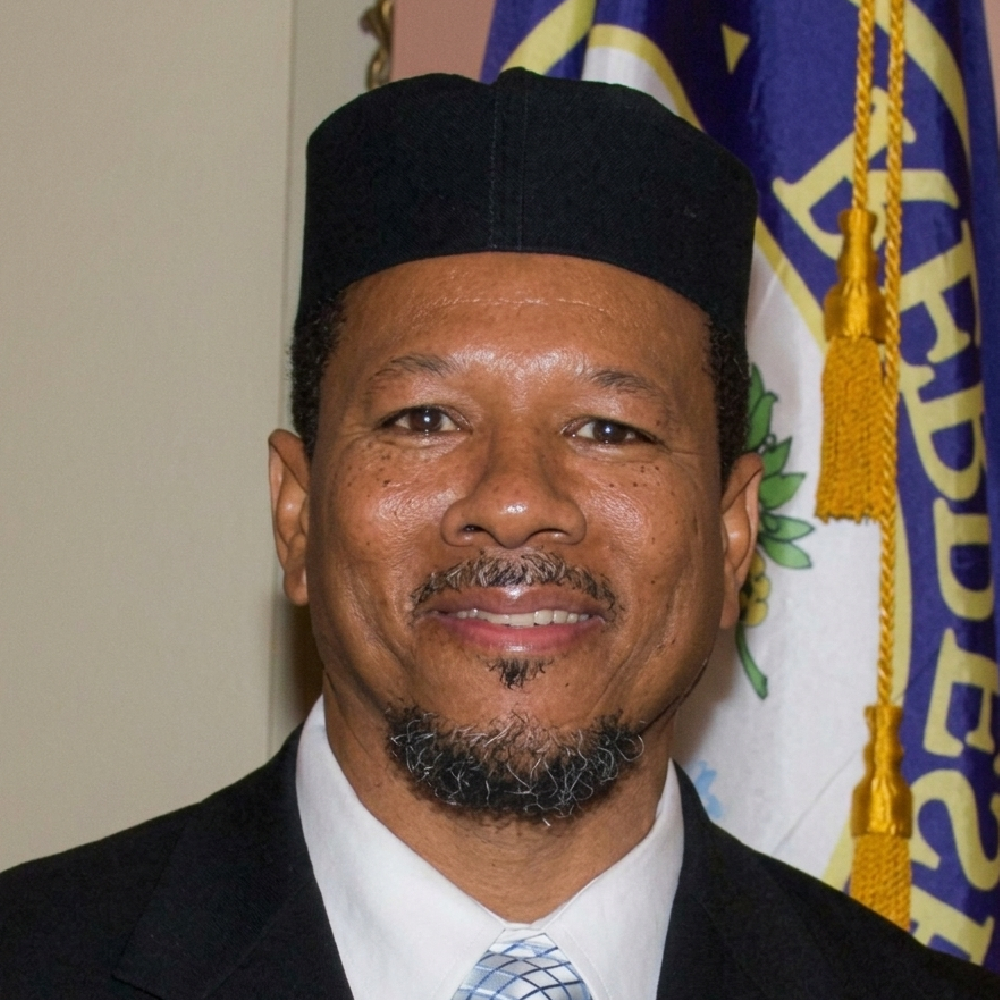
Imam Talib M. Shareef
Imam Talib M. Shareef
Talib M. Shareef is an Islamic leader, retired U.S. Air Force veteran, and interfaith advocate who serves as President and Imam of Masjid Muhammad in Washington, DC, and leads the International Coalition for Peace and Reconciliation.
With over 30 years of military service and extensive religious education, he has held leadership roles in Islamic studies and interfaith initiatives. A student of W. Deen Mohammed, he has served as an imam across multiple U.S. cities and military bases.
Shareef is widely recognized for his interfaith work, global peacebuilding efforts, and public engagement, including speaking at major events, addressing Congress, and participating in international forums. He has received numerous honors, including awards from U.S. presidents and a high royal decoration from Mohammed VI king of Morocco.
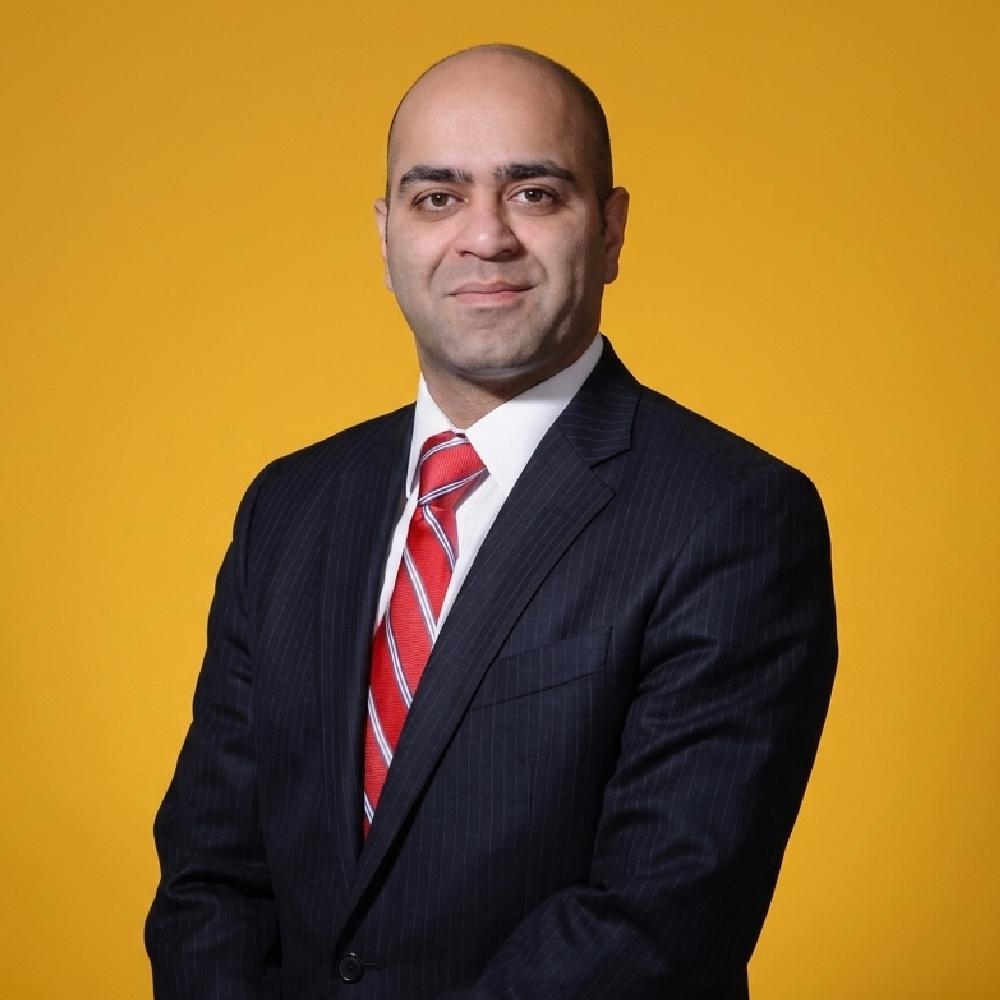
Dr. Zahid Quraishi
Dr. Zahid Quraishi
Zahid Quraishi is an American federal judge serving on the U.S. District Court for the District of New Jersey and the first Muslim American to be confirmed as an Article III federal judge.
Born in New York to Pakistani immigrant parents, he was raised in New Jersey and earned degrees from John Jay College and Rutgers Law School.
Quraishi began his career as a law clerk and private attorney before serving as a U.S. Army captain in the Judge Advocate General’s Corps, including deployments to Iraq. He later worked as a federal prosecutor and in private practice.
He was appointed a U.S. magistrate judge in 2019 and, in 2021, was nominated by Joe Biden and confirmed to the federal bench, marking a historic milestone in the U.S. judiciary
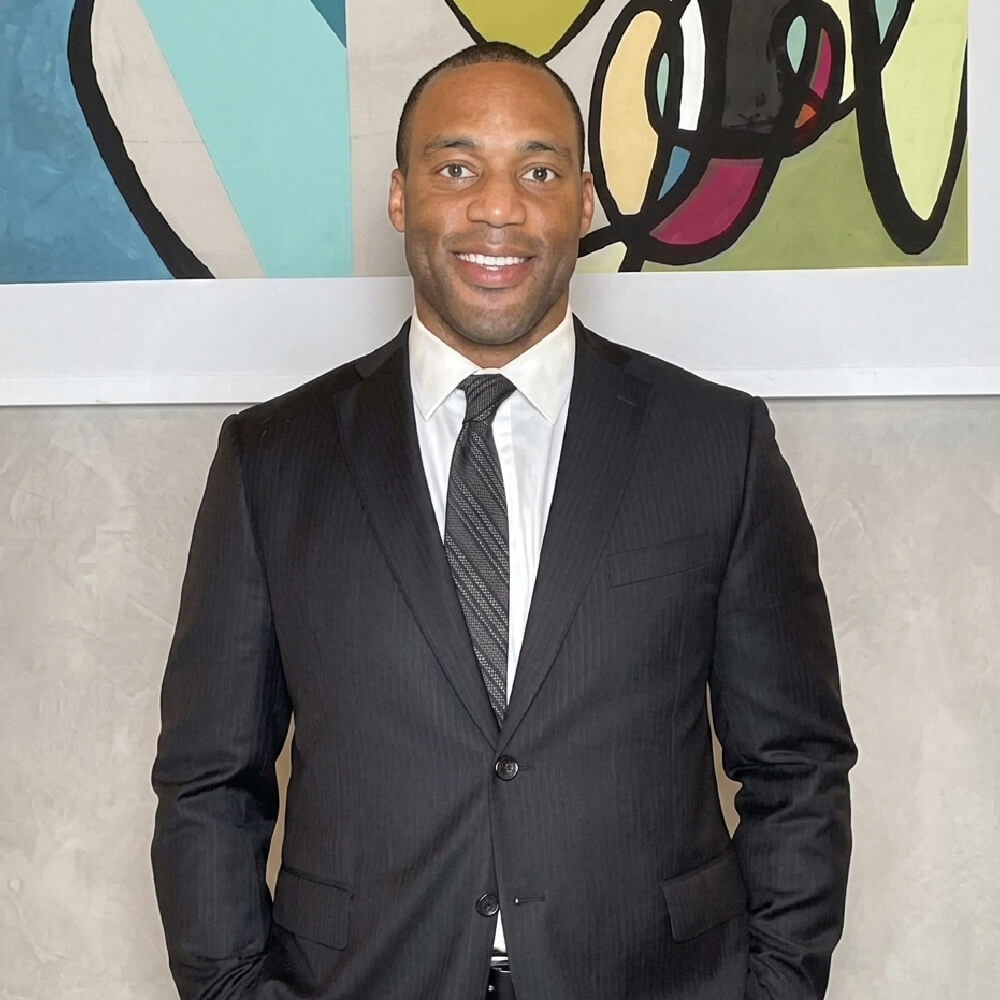
George Foreman IV, (Bigwheel)
George Foreman IV, (Bigwheel)
George Foreman IV, (Bigwheel), is a community advocate, educator, entrepreneur, and public speaker dedicated to expanding opportunity through education, workforce development, and civic engagement. With more than 15 years of experience working in education and youth development, he has served as a history and social studies educator, mentoring students across diverse communities while emphasizing leadership, critical thinking, and personal responsibility.
George currently serves as Chair of the Board for the National Job Corps Association, where he collaborates with education, workforce, nonprofit, and industry leaders to strengthen pathways to skilled trades, higher education, and long-term career success for young Americans. His professional background spans education, nonprofit leadership, healthcare engagement, public policy, and entrepreneurship, giving him a broad perspective on community development and the role education plays in creating economic mobility and lasting opportunity.
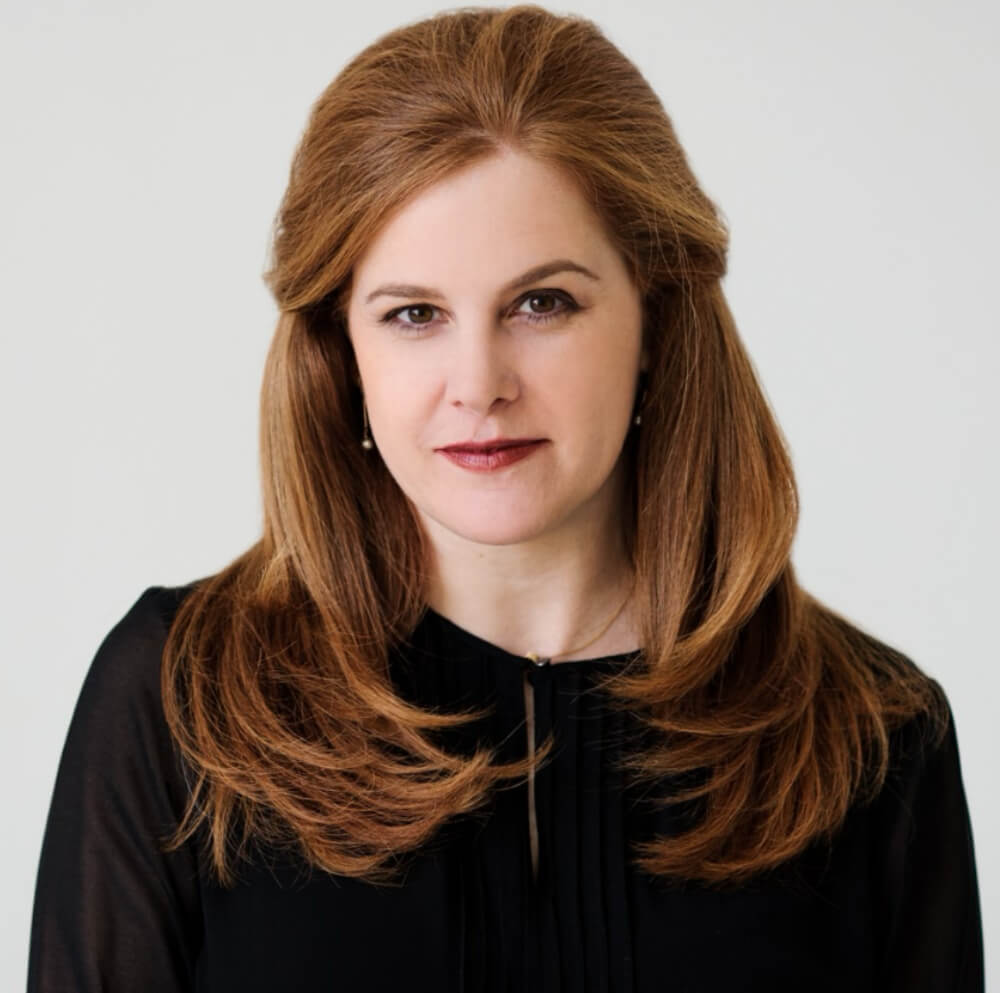
Beverly Barrett
Beverly Barrett
Beverly Barrett is a policy specialist and educator. With a focus on institutional change, she specializes in institutional governance, regional integration, and education. She has served as faculty at the University of Houston, teaching global business and public policy, and at the University of St. Thomas, teaching international economics. Dr. Barrett earned her doctorate in International Studies at the University of Miami in Florida, in a fellowship with the European Union Center of Excellence. Prior she graduated from Vanderbilt University (B.S. cum laude in Human & Organizational Development) and Johns Hopkins University School of Advanced International Studies (SAIS) (M.A. in International Relations).
Her professional experience includes periods of service at the White House (Office of Cabinet Affairs), State Department (in Finland and Jamaica) and Federal Reserve Bank of Dallas, Houston Branch. She has studied in Spain and Italy, and worked in Finland, Mexico, and Jamaica. She has served as Visiting Faculty in International Business at Universidad de las Americas Puebla (UDLAP), a U.S.-accredited university in Mexico. She hosted the podcast Global Bridges: Changing Flows of People and Trade in the years immediately following the pandemic.
Her research on globalization and higher education includes her book project Globalization and Change in Higher Education: The Political Economy of Policy Reform in Europe. This is about the Bologna Process that established the European Higher Education Area (EHEA) for the international recognition of qualifications. This focuses on the European Union (EU) trade area, common market, institutional change, and the international recognition of higher education qualifications in the European Higher Education Area (EHEA) and the Bologna Process.
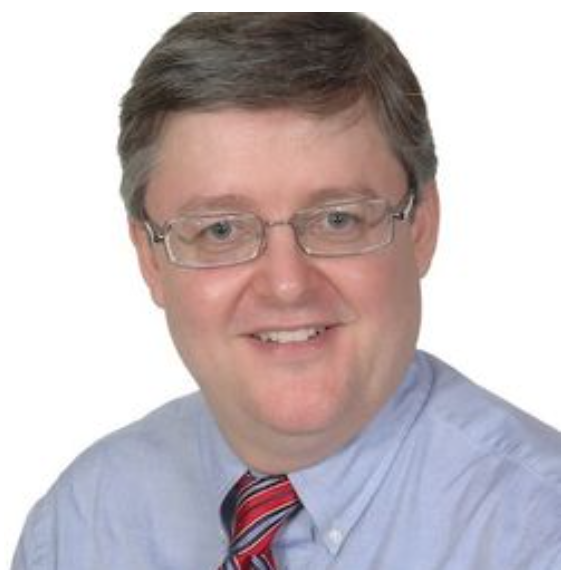
Dr. William Lawrence
Dr. William Lawrence
Awards
- Grand Prize: $2,500
- 5 Second-Place Winners of $500 each
- Public recognition
- Leadership opportunities tied to America’s 250 celebration